Hey there! I’m a supplier of dry type transformers, and today I wanna chat about something super important in our industry: the insulation class of a dry type transformer. Dry Type Transformer

So, what exactly is the insulation class? Well, it’s a way to categorize the insulation materials used in a transformer based on their ability to withstand heat. You see, transformers generate heat during operation, and if the insulation can’t handle that heat, it can break down, leading to all sorts of problems like short – circuits and reduced lifespan.
There are several common insulation classes for dry type transformers, namely Class A, Class E, Class B, Class F, and Class H. Each class has its own maximum allowable temperature rise and hot – spot temperature. Let’s break them down one by one.
Class A is the most basic insulation class. The insulation materials in Class A transformers can typically withstand a temperature rise of about 60°C above the ambient temperature, with a hot – spot temperature of around 105°C. These transformers are usually used in less demanding applications where the operating environment is relatively cool and the load requirements are not too high. They’re cost – effective, but they don’t offer as much protection against high – temperature stress as the higher – class transformers.
Class E comes next. It can handle a temperature rise of about 75°C above the ambient temperature, with a hot – spot temperature of around 120°C. This class provides a bit more heat resistance than Class A, making it suitable for applications where the temperature might be a bit higher or the load is a bit more variable.
Class B is a popular choice in many industrial applications. The insulation in Class B transformers can tolerate a temperature rise of 80°C above the ambient temperature, and the hot – spot temperature can reach up to 130°C. This class offers a good balance between cost and performance. It can handle moderate – to – high loads and is more resistant to heat compared to Class A and E.
Now, let’s talk about Class F. This is where things start to get serious. Class F insulation can withstand a temperature rise of 100°C above the ambient temperature, with a hot – spot temperature of around 155°C. These transformers are designed for heavy – duty applications, such as large industrial plants or data centers. They can handle high – load currents and operate in environments with relatively high ambient temperatures.
Finally, we have Class H. This is the top – of – the – line insulation class for dry type transformers. Class H insulation can tolerate a temperature rise of 125°C above the ambient temperature, and the hot – spot temperature can go up to 180°C. These transformers are used in the most demanding applications, like steel mills, chemical plants, and other industries where extreme heat and high – load conditions are the norm.
But why does the insulation class matter so much? Well, for starters, it directly affects the lifespan of the transformer. A transformer with a higher insulation class can operate at higher temperatures without degrading the insulation, which means it can last longer. This is especially important in applications where downtime is costly, like in a manufacturing plant.
Another reason is safety. If the insulation breaks down due to overheating, it can cause electrical faults, which can be extremely dangerous. By choosing the right insulation class, you can ensure that the transformer operates safely and reliably.
Cost is also a factor. Higher – class transformers usually cost more because the insulation materials are more expensive. However, in the long run, they can save you money by reducing the need for frequent replacements and maintenance.
As a dry type transformer supplier, I’ve seen all sorts of situations where the wrong insulation class was chosen. Sometimes, customers try to cut costs by going for a lower – class transformer, but then they end up facing problems like premature failure or reduced performance. On the other hand, some customers over – specify and buy a higher – class transformer than they actually need, which means they’re spending more money than necessary.
So, how do you choose the right insulation class for your application? First, you need to consider the ambient temperature of the operating environment. If it’s a hot place, you’ll need a transformer with a higher insulation class. Second, think about the load requirements. If you have a high – load application, a Class F or Class H transformer might be the way to go.
It’s also a good idea to consult with a professional. As a supplier, I’m always happy to help my customers figure out the best insulation class for their needs. I can look at the specific requirements of their project, like the load profile, the operating environment, and the budget, and give them some advice.
In addition to the insulation class, there are other factors that can affect the performance of a dry type transformer. For example, the cooling method is important. There are different ways to cool a dry type transformer, such as natural air cooling (AN) or forced air cooling (AF). Forced air cooling can help dissipate heat more effectively, which can be beneficial in high – load or high – temperature applications.
The design of the transformer also plays a role. A well – designed transformer with good ventilation and proper winding techniques can operate more efficiently and have a longer lifespan.
As a supplier, I take pride in offering high – quality dry type transformers with the right insulation class for every application. We use the latest technology and the best insulation materials to ensure that our transformers are reliable, safe, and cost – effective.
If you’re in the market for a dry type transformer, don’t just focus on the price. Think about the long – term performance and the safety of the transformer. Make sure you choose the right insulation class for your needs. And if you have any questions or need some advice, don’t hesitate to reach out to me. I’m here to help you make the best decision for your project.
Whether you’re running a small business or a large industrial facility, having the right dry type transformer is crucial. It can keep your operations running smoothly and save you money in the long run. So, take the time to understand the insulation class and choose wisely.
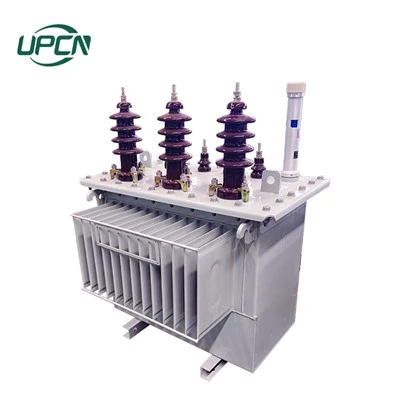
If you’re interested in purchasing a dry type transformer, or if you want to learn more about our products and how they can meet your specific needs, I’d love to have a chat with you. Just drop me a line, and we can start discussing your requirements. Let’s work together to find the perfect transformer for your application.
Dry Type Transformer References:
- Electrical Power Systems: Design and Analysis by Turan Gonen
- Transformer Engineering: Design, Technology, and Diagnostics by George Karady and Gönül Kaymak
Henan Union Power Construction Group Co., Ltd.
As one of the most professional dry type transformer manufacturers and suppliers in China, we have world-leading production equipment and strong manufacturing capabilities. Please rest assured to buy customized dry type transformer at competitive price from our factory.
Address: 701, Unit 1, Building 23, Phase II, Jindai Smart Industry Park, No. 17 Wenzhi Road,Guancheng Hui District, Zhengzhou City, Henan Province, P. R. China
E-mail: unionpower66@gmail.com
WebSite: https://www.unionpowertransformer.com/
