Hey there, fellow farmers and livestock enthusiasts! I’m a supplier of forage pulpers, and I know that getting the right output fineness from your forage pulper is super important. It can affect everything from the digestibility of the feed to the overall health of your animals. So, in this blog post, I’m gonna share some tips on how you can adjust the output fineness of a forage pulper. Forage Pulper
Understanding the Basics of a Forage Pulper
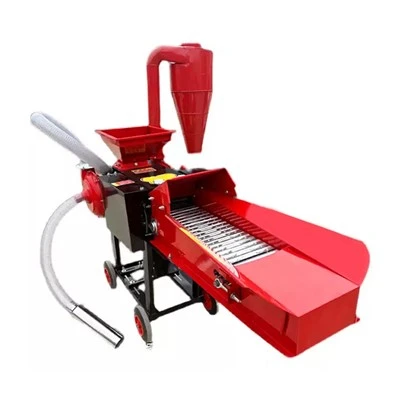
First off, let’s quickly go over what a forage pulper does. A forage pulper is a machine that processes forage materials like grass, hay, and silage into a pulp-like consistency. This makes it easier for animals to eat and digest, which can lead to better growth and health.
The output fineness of a forage pulper refers to the size of the particles in the processed forage. Finer particles are generally easier for animals to digest, but you might not always want the finest possible output. For example, if you’re feeding animals with strong chewing abilities, a slightly coarser output might be okay.
Factors Affecting Output Fineness
There are several factors that can affect the output fineness of a forage pulper. Let’s take a look at them one by one.
Screen Size
The screen in a forage pulper plays a crucial role in determining the output fineness. The screen has holes of a certain size, and only particles smaller than the hole size can pass through. So, if you want a finer output, you can use a screen with smaller holes. Most forage pulpers come with interchangeable screens, so it’s easy to swap them out depending on your needs.
For instance, if you’re using a forage pulper to make feed for young animals or animals with sensitive digestive systems, you might want to use a screen with smaller holes. On the other hand, if you’re feeding adult animals with good chewing capabilities, a screen with larger holes could be sufficient.
Rotor Speed
The speed at which the rotor in the forage pulper spins also affects the output fineness. A higher rotor speed generally results in a finer output because the forage is being chopped and processed more vigorously. You can usually adjust the rotor speed on your forage pulper using a control panel or a speed regulator.
But be careful not to set the rotor speed too high. If the speed is too high, it can put extra stress on the machine and might even cause damage. Also, very high speeds can generate a lot of heat, which could potentially affect the quality of the forage.
Feed Rate
The rate at which you feed the forage into the pulper can impact the output fineness. If you feed the forage too quickly, the machine might not have enough time to process it properly, resulting in a coarser output. On the other hand, feeding the forage too slowly can be inefficient.
You need to find the right balance. Start by feeding the forage at a moderate rate and observe the output. If it’s too coarse, try reducing the feed rate. If it’s too fine, you can increase the feed rate a bit.
Step-by-Step Guide to Adjusting Output Fineness
Now that we’ve covered the factors affecting output fineness, let’s go through a step-by-step guide on how to adjust it.
Step 1: Choose the Right Screen
As I mentioned earlier, the screen size is a key factor in determining the output fineness. So, start by selecting the appropriate screen for your needs. Make sure the screen is clean and free of any debris before installing it in the forage pulper.
To install the screen, follow the manufacturer’s instructions. Usually, it involves removing the old screen (if there is one) and then carefully placing the new screen in the designated area of the pulper. Make sure the screen is properly secured so that it doesn’t move during operation.
Step 2: Set the Rotor Speed
Next, you need to set the rotor speed. Refer to the user manual of your forage pulper to find out the recommended speed range for different output fineness levels. Start with a moderate speed and then make adjustments as needed.
If you want a finer output, gradually increase the rotor speed. But keep an eye on the machine’s performance and the quality of the output. If you notice any signs of overheating or excessive vibration, reduce the speed immediately.
Step 3: Adjust the Feed Rate
Once you’ve set the screen and the rotor speed, it’s time to adjust the feed rate. Start by feeding a small amount of forage into the pulper and observe the output. If the output is too coarse, slow down the feed rate. If it’s too fine, increase the feed rate slightly.
It might take a few tries to get the feed rate just right. Be patient and keep making small adjustments until you achieve the desired output fineness.
Step 4: Monitor and Fine-Tune
After making the initial adjustments, run the forage pulper for a while and monitor the output. Check the fineness of the processed forage regularly and make any necessary fine-tuning. You might need to adjust the screen, rotor speed, or feed rate based on the results.
Also, pay attention to the overall performance of the machine. Listen for any unusual noises or vibrations, and make sure the temperature of the machine stays within a normal range. If you encounter any problems, stop the machine immediately and consult the user manual or contact the manufacturer for assistance.
Troubleshooting Common Issues
Sometimes, you might run into some issues when trying to adjust the output fineness of a forage pulper. Here are some common problems and how to solve them.
Output is Too Coarse
If the output is too coarse, there could be several reasons for it. First, check the screen to make sure it’s the right size and that there are no clogs or damage. If the screen is okay, try increasing the rotor speed or reducing the feed rate.
Another possible cause could be worn-out blades or other components in the pulper. If you suspect this is the case, inspect the blades and replace them if necessary.
Output is Too Fine
If the output is too fine, you can try reducing the rotor speed or increasing the feed rate. Also, check the screen to make sure it’s not too small. If you’re using a screen with very small holes, try switching to a screen with larger holes.
Machine is Overheating
If the forage pulper is overheating, it could be due to a high rotor speed, a clogged screen, or a lack of lubrication. First, reduce the rotor speed and make sure the screen is clean. If the problem persists, check the lubrication levels and add more lubricant if needed.
Conclusion

Adjusting the output fineness of a forage pulper is not rocket science, but it does require some knowledge and a bit of trial and error. By understanding the factors that affect output fineness and following the steps I’ve outlined in this blog post, you should be able to get the perfect output for your animals’ needs.
Biomass Pellet Mill If you’re in the market for a high-quality forage pulper or need any advice on using or maintaining your existing machine, don’t hesitate to get in touch. We’re here to help you make the most of your forage processing and keep your animals healthy and happy.
References
- Manufacturer’s user manuals of forage pulpers
- Agricultural research papers on forage processing and animal nutrition
Zhengzhou Xinyihaotong Machinery Manufacturing Co., Ltd.
As one of the most professional forage pulper manufacturers in China, we also support custom service. We warmly welcome you to buy high quality forage pulper for sale here from our factory. For price consultation, contact us.
Address: Rooms 2301–2312, Jiayi Building, Xinxiang City, Henan Province, China
E-mail: zhaoyixuan5566@gmail.com
WebSite: https://www.xyhtmachinery.com/
