Repairing gang dies is a crucial skill for anyone involved in the metalworking or manufacturing industry. As a supplier of Single Stage Dies & Gang Dies, I’ve witnessed firsthand the importance of proper die maintenance and repair. In this blog, I’ll share my insights and experiences on how to repair gang dies effectively. Single Stage Dies & Gang Dies
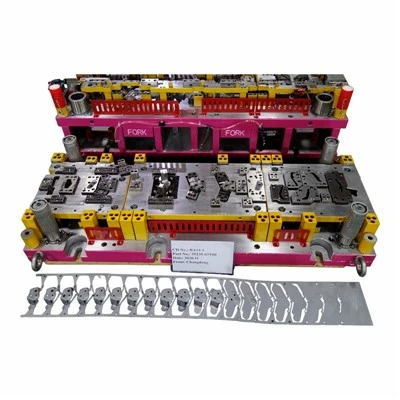
Understanding Gang Dies
Before we delve into the repair process, it’s essential to understand what gang dies are. Gang dies are a set of dies arranged in a linear fashion on a common base. They are used in progressive stamping operations to perform multiple operations on a workpiece in a single pass. These operations can include cutting, bending, punching, and forming.
Gang dies are highly efficient and can significantly increase production rates. However, they are also subject to wear and tear due to the high forces and repetitive nature of the stamping process. Over time, this can lead to issues such as poor part quality, tooling damage, and reduced tool life.
Signs of Gang Die Damage
The first step in repairing gang dies is to identify the signs of damage. Some common signs include:
- Part Quality Issues: If the parts produced by the gang dies have burrs, cracks, or poor dimensional accuracy, it could indicate die damage.
- Excessive Wear: Visible wear on the die surfaces, such as rounded edges or grooves, can also be a sign of damage.
- Tooling Breakage: Broken punches, dies, or other tooling components are obvious signs of damage.
- Unusual Noise or Vibration: Excessive noise or vibration during the stamping process can indicate misalignment or other issues with the gang dies.
Inspection and Diagnosis
Once you’ve identified the signs of damage, the next step is to conduct a thorough inspection of the gang dies. This involves disassembling the dies and examining each component for wear, damage, or misalignment.
- Visual Inspection: Start by visually inspecting the dies for any visible signs of damage, such as cracks, chips, or excessive wear. Pay close attention to the cutting edges, punch tips, and die cavities.
- Measurement: Use precision measuring tools, such as calipers, micrometers, and gauges, to check the dimensional accuracy of the dies. Compare the measurements to the original specifications to identify any deviations.
- Functional Testing: Reassemble the dies and perform functional tests to ensure they are operating correctly. This may involve running test parts through the dies and checking for part quality, dimensional accuracy, and proper functioning of the die components.
Based on the results of the inspection and diagnosis, you can determine the extent of the damage and develop a repair plan.
Repairing Gang Dies
The repair process for gang dies will depend on the type and extent of the damage. Here are some common repair techniques:
- Surface Restoration: If the die surfaces are worn or damaged, they can be restored by grinding, lapping, or polishing. This process involves removing a small amount of material from the surface to restore its original shape and finish.
- Welding and Brazing: For more severe damage, such as cracks or broken components, welding or brazing can be used to repair the dies. This involves using a welding torch or brazing rod to fuse the damaged parts together.
- Replacement of Components: In some cases, it may be necessary to replace damaged or worn components, such as punches, dies, or guides. This can be done by removing the old components and installing new ones that are compatible with the gang dies.
- Alignment and Calibration: After the repairs have been made, it’s important to align and calibrate the gang dies to ensure they are operating correctly. This may involve adjusting the die clearances, punch heights, and other settings to ensure proper part quality and tool life.
Preventive Maintenance
In addition to repairing gang dies when they are damaged, it’s also important to implement a preventive maintenance program to minimize the risk of damage and extend the tool life. Here are some preventive maintenance tips:
- Regular Cleaning: Clean the gang dies regularly to remove debris, metal chips, and other contaminants that can cause wear and damage. Use a clean, dry cloth or a non-abrasive cleaner to avoid scratching the die surfaces.
- Lubrication: Apply a thin layer of lubricant to the die surfaces to reduce friction and wear. Use a lubricant that is compatible with the material being stamped and the stamping process.
- Inspection and Maintenance Schedule: Establish a regular inspection and maintenance schedule for the gang dies. This should include visual inspections, measurements, and functional tests to identify any potential issues before they become major problems.
- Proper Storage: Store the gang dies in a clean, dry, and protected environment to prevent corrosion and damage. Use a die storage rack or cabinet to keep the dies organized and easily accessible.
Conclusion
Repairing gang dies is a complex and challenging process that requires a combination of skills, knowledge, and experience. As a supplier of Single Stage Dies & Gang Dies, I understand the importance of proper die maintenance and repair to ensure the efficiency and productivity of your stamping operations.
By following the tips and techniques outlined in this blog, you can effectively repair gang dies and extend their tool life. Remember to conduct regular inspections, implement a preventive maintenance program, and seek professional help if you encounter any issues that you are not comfortable handling on your own.
Transfer Dies & Tandem Dies If you’re interested in learning more about our Single Stage Dies & Gang Dies or have any questions about die repair and maintenance, please feel free to contact us for a consultation. We’re here to help you find the best solutions for your stamping needs.
References
- "Tool and Die Making Handbook" by Peter C. Chapman
- "Metal Stamping Handbook" by George E. Dieter
- "Die Design Handbook" by American Die Casting Institute
Dongguan Changdong Tool & Die Co., Ltd.
With abundant experience, we are one of the most reliable single stage dies & gang dies manufacturers and suppliers in China. Please feel free to buy advanced single stage dies & gang dies made in China here from our factory. Good service and quality products are available.
Address: No. 56-B, Fumin South Road, Dalang Town, Dongguan City, Guangdong Province, China
E-mail: sales@stamping-die.com
WebSite: https://www.metalstampingdie.com/
