Hey everyone, if you’ve ever stared at a package of your favorite sandwich, bag of frozen berries, or bag of chips, you’ve probably glanced at the thin, shiny plastic film holding it all together. That’s what I sell—heat-sealable food film, and one of the most common questions I get from brands, deli owners, and even home cooks who’ve asked about the industrial stuff is: “How transparent is it, really?” It’s not just a random shiny layer, y’know? The transparency level is a big deal—like, way more than just how pretty the package looks. As someone who’s worked with this stuff for years (let’s be real, I’ve seen hundreds of batches go through the machine), I’m here to break it down in plain English, no boring jargon, and talk about why it matters for everyone from big food brands to small local bakeries. Heat-sealable Food Film

First off, let’s get one thing straight: transparency for food film isn’t a “one size fits all” number. You won’t see a random percentage on the box that says “92% transparent, buy this one!” Because it depends on what the film is made of, what it’s sealing, and what the brand actually needs. Most heat-sealable food film is made from stuff like polyethylene (PE), polypropylene (PP), or sometimes a mix of both—those are the plastics that get heated and melted together to form a tight, air-tight seal, right? And each of these materials has a different natural clarity.
Wait, let’s start with the basics of how transparency works here. Transparency for packaging is usually measured by something called transmittance—like, how much visible light passes through the film. The higher the transmittance percentage, the more transparent it is. But there’s also haze, which is the cloudy or foggy look that happens when light scatters through the film. Super high haze makes it hard to see what’s inside, so even if 80% of light is getting through, if haze is cranked up, the package looks murky. Most good heat-sealable food film for retail food has a transmittance level between 85% and 92%, with haze under 5%. But that’s just the average—why does that range so much?
Let’s talk about why that range matters. If you’re selling something like candy bars, fresh baked cookies, or pre-cut fruit—stuff you want people to be able to see clearly to decide to buy—you want that higher end, like 90% to 92% transmittance, haze under 3%. That’s the film we use for most of our retail-facing clients, because it makes the food inside pop. A bag of bright red strawberries in that film looks way more fresh and appealing than if it’s in a hazy, dull film. But if you’re selling something like frozen meat, or bulk grain, or ingredients that don’t need to be “show-off” to sell, you can go with a lower transmittance, like 85% to 88%, with haze up to 7%. It’s still food-safe, still seals perfectly, and it’s cheaper too—great for brands that are focused on cost, not just shelf appeal.
But wait, I’ve had clients come to me saying their film is “too transparent” and it’s hurting their product. Wait, what? That’s a thing. Like, if you’re selling chocolate, or fresh bread, or something that can get ruined by light—light exposure can make chocolate bloom (that white, dusty look on chocolate), or make bread go stale faster, or even cause some fruits and veggies to lose nutrients. Oh right! So transparency isn’t just about how good the package looks—it’s about protecting the food inside. So for those products, we actually make films that are a little less transparent—sometimes down to 75% transmittance, with slightly higher haze—because they block some of the UV and visible light that speeds up spoiling. It’s a trade-off: less shelf appeal, better food preservation. That’s the stuff that most people don’t know, but it’s why I spend so much time talking to clients about what exactly they’re packaging, not just handing them the shiniest film we have.
Another big factor that a lot of people don’t think about: the thickness of the film. Thin films, like the ones used for snack bags or sandwich wraps, are way more transparent than thicker films, like the ones used for bulk frozen meat or pallets of goods. I’ve had a client who made the mistake of ordering ultra-thin, super transparent film for bulk frozen chicken, and ended up with half the order going bad because the thin film didn’t block enough light, and it was also too easy to tear. Thicker films (usually 2 to 5 mils, for those who know the term) have a transmittance that’s a little lower, but they’re way more durable and seal tighter. We always adjust the thickness along with the transparency based on the client’s needs. Like, a deli that pre-packages individual turkey slices needs a thin, high-transparency film so customers can see the meat is fresh, but it needs to seal tight enough to keep it from drying out. A meat processing plant that packages 10-pound blocks of ground beef needs a thicker, slightly less transparent film to keep the meat safe for months in the freezer.
Wait, also—heat sealing itself can mess with transparency, right? I’ve seen so many new clients bring back their first batch of sealed packages and say, “The seal part is all foggy!” Yeah, that’s normal. When you heat the film to seal it, the melted area (the sealant layer) can have a little more haze, just because the plastic molecules are rearranging as they melt and cool. It’s not a flaw—most of the time, the seal haze is only noticeable if you’re looking super closely, and it doesn’t affect the seal strength at all. We’ve adjusted our own heating and cooling processes over the years to minimize that haze, so it’s barely noticeable now, but it’s still something to keep in mind. If a brand is super picky about looks, we can tweak the seal settings to make that foggy spot almost disappear.
Also, let’s talk about common myths, because I get so many of these. First myth: “All plastic food film is clear.” No way! Like I said earlier, some are matte, some are slightly tinted (sometimes pale blue or clear, sometimes a tiny bit green—those tints are actually natural from the manufacturing process, and they have a tiny effect on transparency, like less than 1%—hardly noticeable, but worth mentioning). Another myth: “Higher transparency means better quality.” Nope, not at all. If you’re packaging something that needs light protection, a slightly less transparent film is better quality for that specific job. I had a coffee roaster client last year who insisted on the most transparent film, thinking it would make his specialty bags look fancier, and he ended up with coffee that tasted stale in 2 weeks, instead of 4. We switched him to a slightly less transparent, UV-resistant film, and his shelf life went up exactly as we expected, and he barely noticed the difference in clarity. That’s the kind of thing that makes my job worth it, y’know—teaching people that it’s not just about how clear it is, it’s about what it’s clear for.
Now, let’s talk about how we test transparency, since I’m a supplier, and we don’t just guess. We use a simple device called a hazemeter (shocker, right, for haze) that measures both total light transmittance and haze levels every time we run a batch. Our standard food-grade films are all FDA-approved, by the way—super important, because this stuff touches food. So when we test, we’re not just making sure it’s clear; we’re making sure it’s safe, seals tight, and doesn’t leach any chemicals into the food. That’s non-negotiable. If a client asks for a custom transparency level, we adjust the resin mix (the plastic pellets we melt down) slightly—add a little more of a clear grade resin for higher clarity, or a tiny bit of a light-blocking additive for lower clarity, but only when it’s safe for food.
Another thing that’s come up a lot lately: sustainable films. Everyone’s switching to biodegradable or recyclable heat-sealable film now, right? And a lot of people ask if those have the same transparency levels as the old plastic ones. The short answer: most of the new sustainable films are right there. I’ve worked with a couple of plant-based resin suppliers, and their films have transmittance levels between 86% and 91%, haze under 6%—so almost the same as regular PE or PP. There are a few that are still a little hazier, but that’s getting fixed fast. The only trade-off with some sustainable films is that lower-grade ones (the super cheap plant-based stuff) can have a lot more haze, which is why we test every batch before we send it out. We want our sustainable options to work as well as the old ones, including clarity.
Wait, let’s make this relatable, like think about the last time you bought a pack of blueberries. If that pack was in a hazy, foggy film, would you trust that the blueberries inside are fresh? Probably not. That’s why transparency matters so much for shelf appeal—consumers associate clarity with freshness. If you can see bright, plump fruit through clear film, you’re way more likely to grab that pack over a hazy one. But if you’re buying a frozen pack of broccoli, you might not care as much about clarity, as long as it’s sealed tight. That’s the difference between retail and industrial packaging, basically.
I’ve also had small business owners come to me, like a local baker who makes sourdough loaves and wants to package them for sale at the farmers market. She was trying to use regular plastic wrap, but it would fog up when she sealed it, and the loaves would go stale in 2 days. We recommended a thin, clear heat-sealable film that has a tiny bit of moisture resistance, and adjusted her heat sealing setting so the seal wasn’t foggy. Now her loaves stay fresh for a week, and customers love being able to see the crust through the package. That’s exactly the kind of problem I love solving—transparency isn’t just a number, it’s a way to help small businesses do better.
So to wrap this up, what’s the real transparency level of heat-sealable food film? It’s not a fixed number, it’s a range, tailored to what you need. Most food-safe, heat-sealable film is between 85% and 92% light transmittance, with haze between 2% and 7%. The higher end is for retail products you want to show off, the lower end is for products that need light protection. Thinner films are clearer, thicker films are more durable. And sustainable films are almost matching that range now, so you don’t have to sacrifice clarity for eco-friendliness.
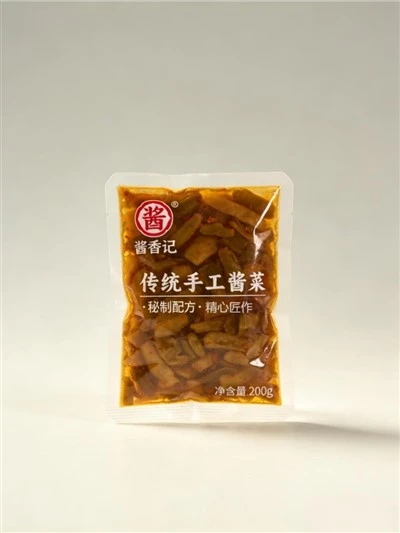
At the end of the day, I know this stuff can feel confusing, especially if you’re not in the packaging business. If you’re a brand owner, a deli manager, or even someone just looking for film for your small business, and you’re not sure what transparency level you need—hit me up. I’m here to answer questions, walk through your needs, and make sure you get the right film for your products, not just the shiniest or cheapest one. No pressure, no weird sales tactics, just actual advice from someone who’s been doing this for years.
Retortable Pouch References:
- Hanlon, J. H., et al. "Handbook of Packaging Technology." 8th Edition, John Wiley & Sons, 2019.
- "FDA Regulation of Food Contact Substances." U.S. Food and Drug Administration, 2022.
- Sørensen, G., et al. "Transparency and Haze in Flexible Food Packaging Films." Packaging Technology and Science, vol. 31, no. 4, 2018, pp. 187-195.
Shandong Yiming Plastic Products Co., Ltd.
As one of the most professional heat-sealable food film manufacturers in China, we’re featured by quality products and good price. Please rest assured to wholesale cheap heat-sealable food film made in China here from our factory. Customized orders are welcome.
Address: Opposite Tower Pole Factory,south of Hengliu road,Shunwang Sub-district,Zhucheng City,Weifang City,Shandong Province
E-mail: sdyiming16888@qq.com
WebSite: https://www.toppackingsolution.com/
