As a supplier of Auxiliary Systems, I understand the critical importance of well – trained personnel to operate these systems effectively. An Auxiliary System is a complex piece of equipment that plays a significant role in many industrial and commercial settings. In this blog, I’ll share some insights on how to train personnel to operate an Auxiliary System. Auxiliary System

Understanding the Basics of the Auxiliary System
Before diving into training, it is essential for trainees to have a solid understanding of the Auxiliary System’s basic principles and functions. This includes knowledge of its components, layout, and how they interact with each other. A good way to start the training is by providing a detailed overview of the system. Use visual aids such as diagrams, 3D models, or even a physical demonstration of a disassembled system if possible.
For example, if the Auxiliary System is used in a manufacturing plant to support the main production line, explain how it helps in tasks like waste management, power supply regulation, or temperature control. Trainees should know what each part of the system does, from the smallest valve to the largest control panel. This foundational knowledge is crucial as it provides a framework upon which more advanced operational skills can be built.
Theoretical Training
Theoretical training forms the backbone of any training program. It involves teaching trainees about the technical aspects of the Auxiliary System. This can be done through classroom – style lectures, online courses, or a combination of both.
During theoretical training, cover topics such as system specifications, operating parameters, safety protocols, and troubleshooting procedures. For instance, explain the optimal temperature and pressure settings for the system to function efficiently. Discuss the importance of safety measures like wearing protective gear and following lock – out/tag – out procedures.
When teaching troubleshooting, present common problems that may occur during the operation of the Auxiliary System and how to diagnose and fix them. Provide case studies of real – world scenarios where problems were encountered and resolved. This helps trainees develop analytical thinking skills and prepares them to handle unexpected situations.
Hands – on Training
Hands – on training is where trainees get to apply the theoretical knowledge they have learned. It is a practical way for them to gain confidence in operating the Auxiliary System. Set up a training environment that closely mimics the actual working conditions. This can be a dedicated training facility or a section of the production floor where the system is installed.
Start with simple tasks and gradually increase the complexity. For example, begin by teaching trainees how to start and stop the system safely. Then, move on to tasks like adjusting system parameters, performing routine maintenance checks, and using the control panel. Provide one – on – one guidance during the initial stages of hands – on training to ensure that trainees are following the correct procedures.
Encourage trainees to ask questions and make decisions during the hands – on training. This helps them develop problem – solving skills and a better understanding of the system’s operation. Provide immediate feedback on their performance, highlighting areas of improvement and commending good work.
Simulation Training
Simulation training is an effective tool for training personnel to operate an Auxiliary System, especially for complex or high – risk operations. Simulation software can replicate real – world scenarios, allowing trainees to practice without the risk of damaging the actual system or causing safety hazards.
The simulation can include normal operating conditions as well as various fault scenarios. For example, simulate a power outage, a sensor failure, or a blockage in the system. Trainees can then practice diagnosing and resolving these problems in a safe environment.
Simulation training also allows for repeated practice. Trainees can go through the same scenarios multiple times until they are confident in their ability to handle them. It also provides a way to measure trainees’ performance objectively, as the simulation software can track their actions and provide detailed reports.
Continuous Training and Refresher Courses
The operation of an Auxiliary System is not static. New technologies are constantly being developed, and the system may undergo upgrades or modifications over time. Therefore, continuous training is essential to keep personnel up – to – date with the latest knowledge and skills.
Offer regular refresher courses to reinforce the key concepts and skills learned during the initial training. These courses can also cover any new features or changes in the system. For example, if a new control algorithm is implemented in the system, provide a training session to explain how it works and how it affects the operation.
Encourage personnel to participate in industry conferences, workshops, and online forums to stay informed about the latest trends and best practices in Auxiliary System operation. This not only enhances their knowledge but also provides a platform for networking with other professionals in the field.
Training Evaluation
To ensure the effectiveness of the training program, it is important to conduct regular evaluations. There are several ways to evaluate the training, including written tests, practical assessments, and on – the – job performance reviews.
Written tests can be used to assess trainees’ theoretical knowledge. They can cover topics such as system specifications, safety protocols, and troubleshooting procedures. Practical assessments involve observing trainees as they perform tasks on the Auxiliary System. Evaluate their ability to follow procedures, make decisions, and solve problems.
On – the – job performance reviews are conducted over a longer period. They involve observing how trainees perform in their actual work environment. This can provide insights into their ability to apply the skills and knowledge they have learned in real – world situations.
Based on the evaluation results, identify areas where the training program can be improved. This may involve adjusting the training content, changing the training methods, or providing additional support to trainees.
Conclusion
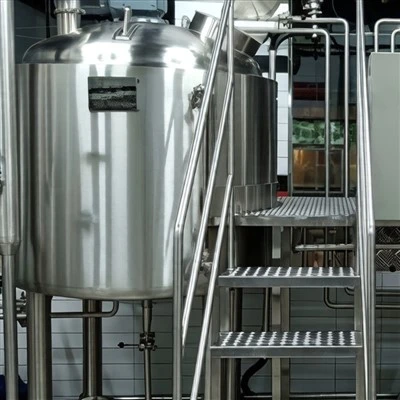
Training personnel to operate an Auxiliary System is a comprehensive process that requires a combination of theoretical knowledge, hands – on experience, and continuous learning. By providing a well – structured training program that includes understanding the basics, theoretical training, hands – on training, simulation training, continuous training, and evaluation, you can ensure that your personnel are well – equipped to operate the system safely and efficiently.
Fermentation System If you are in the market for an Auxiliary System and are looking for a reliable supplier who can also provide top – notch training for your personnel, we are here to help. Our team of experts has extensive experience in designing, installing, and training on Auxiliary Systems. Contact us to discuss your specific needs and start a procurement process that will lead to a successful implementation of our Auxiliary System in your operations.
References
- General Principles of Industrial Equipment Training, Industrial Training Association, 20XX
- Best Practices in Simulation – based Training for Complex Systems, Journal of Technical Training, Vol. XX, No. XX, 20XX
- Safety and Efficiency in Auxiliary System Operation, International Journal of Industrial Systems, 20XX
Wenzhou Jinggong Machinery Equipment Co., Ltd.
We are one of the most professional auxiliary system manufacturers and suppliers in China. With abundant experience, we warmly welcome you to buy customized auxiliary system at competitive price from our factory. If you have any enquiry about quotation, please feel free to email us.
Address: No.Jiadi Industrial Zone, Yaoxi Town, Longwan District, Wenzhou City, China.
E-mail: jinggong2026@163.com
WebSite: https://www.jg-ind.com/
