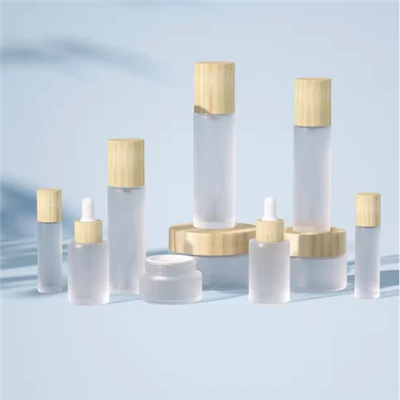
Hey there! I’m a supplier of eco-friendly skincare packaging, and I often get asked how we can measure the environmental performance of our products. It’s a crucial question, especially in today’s world where consumers are more environmentally conscious than ever. So, let’s dive into it. Eco Friendly Skincare Packaging
Why Measuring Environmental Performance Matters
Before we get into the how, let’s talk about the why. Measuring the environmental performance of eco-friendly skincare packaging is super important. For one, it helps us, as suppliers, understand how well our products are actually doing in terms of being sustainable. It’s not just about slapping an "eco-friendly" label on something; we need real data to back up our claims.
Secondly, it gives our customers, the skincare brands, the information they need to make informed decisions. They can use this data to market their products more effectively and show their customers that they’re really committed to the environment. And let’s not forget about regulatory compliance. Many regions are starting to implement stricter environmental regulations, so having accurate measurements can keep us all on the right side of the law.
Key Metrics for Measuring Environmental Performance
1. Material Sourcing
The first step in measuring environmental performance starts at the very beginning: material sourcing. We need to look into where the materials for our packaging come from. Are they sustainably harvested? For example, if we’re using paperboard, is it from forests that are certified by organizations like the Forest Stewardship Council (FSC)? This certification ensures that the timber is sourced from well – managed forests.
Another aspect is the use of recycled materials. If a significant portion of the packaging is made from post – consumer recycled content (PCR), it greatly reduces the demand for virgin materials. We can measure this by calculating the percentage of PCR in the packaging. For instance, if a tube of skincare packaging is 50% PCR plastic, that’s a good sign of environmental friendliness.
2. Energy Consumption During Production
Energy usage during the production process is a big deal. We, as packaging suppliers, need to know how much energy our manufacturing facilities are using. This includes everything from the electricity that powers our machines to the fuel used in transportation.
We can measure energy consumption by installing energy meters in our factories. By tracking the kilowatt – hours (kWh) used over a specific period, we can calculate the energy efficiency of our production lines. If we find that a certain process is using a lot of energy, we can look for ways to optimize it, like upgrading to more energy – efficient equipment or adjusting the production schedule to take advantage of off – peak electricity rates.
3. Waste Generation
Waste is another major concern. During the manufacturing of skincare packaging, there’s bound to be some waste, like scraps of plastic or paper. We need to measure how much waste is generated per unit of packaging produced.
This can be done by weighing the waste at regular intervals. Once we have this data, we can set targets to reduce waste. For example, we could aim to reduce waste by 10% in the next quarter. We can also look into recycling or reusing the waste generated in our production process. Maybe those plastic scraps can be melted down and used again to make new packaging.
4. Greenhouse Gas Emissions
Greenhouse gas emissions, especially carbon dioxide (CO₂), are a huge contributor to climate change. We need to measure the carbon footprint of our eco – friendly skincare packaging. This includes emissions from material sourcing, production, transportation, and even the disposal of the packaging.
There are several ways to measure greenhouse gas emissions. One common method is to use life cycle assessment (LCA) tools. These tools take into account all the stages of a product’s life and calculate the total amount of greenhouse gases emitted. By using LCA, we can identify the areas where we can make the biggest reductions in emissions. For example, if we find that transportation is a major source of emissions, we can look into more efficient delivery routes or switch to electric vehicles.
5. Biodegradability and Compostability
For truly eco – friendly skincare packaging, biodegradability and compostability are key. We can measure how quickly a packaging material breaks down in a natural environment. This can be done through laboratory tests.
We can place samples of our packaging in controlled environments, like composting bins, and track the rate of decomposition over time. If a packaging material can break down into natural elements within a reasonable time frame, say a few months to a year, it’s a good sign that it’s environmentally friendly. This is especially important as consumers are increasingly looking for packaging that won’t end up in landfills for hundreds of years.
Tools and Technologies for Measurement
1. Sensors and Monitoring Systems
In our factories, we can use sensors to monitor various environmental parameters. For example, we can install sensors to measure energy consumption, temperature, and humidity. These sensors can provide real – time data, which allows us to make immediate adjustments if something is going wrong.
There are also sensors that can detect the presence of harmful chemicals in the production process. This is important as we want to ensure that our eco – friendly packaging is also free from toxic substances.
2. Software for Data Analysis
Once we have all this data, we need to make sense of it. That’s where software comes in. There are many data analysis software packages available that can help us visualize and analyze the environmental performance data.
These software tools can generate reports, graphs, and charts, which make it easier for us to understand the trends and make informed decisions. For example, we can use software to compare the environmental performance of different batches of packaging or to track progress over time.
3. Third – Party Certification Bodies
Third – party certification bodies play a crucial role in measuring environmental performance. Organizations like the Cradle to Cradle Products Innovation Institute or the Carbon Trust can provide independent verification of our packaging’s environmental credentials.
They use standardized methods and criteria to evaluate our products. By getting certified by these organizations, we can not only prove the environmental performance of our packaging but also gain the trust of our customers.
Challenges in Measuring Environmental Performance
Measuring the environmental performance of eco – friendly skincare packaging isn’t without its challenges. One of the biggest challenges is the lack of a universal standard. Different regions and industries may have different definitions of what "eco – friendly" means, and there’s no one – size – fits – all measurement method.
Another challenge is the complexity of the supply chain. It can be difficult to track the environmental impact of every single step, from the raw material supplier to the end – consumer. There may be multiple suppliers involved, and getting accurate data from each of them can be a hassle.
Cost is also a factor. Some of the tools and technologies for measuring environmental performance can be expensive. Smaller packaging suppliers may find it difficult to invest in the latest sensors or data analysis software.
Overcoming the Challenges
To overcome the lack of a universal standard, we can work with industry associations to develop common measurement guidelines. By collaborating with other suppliers and stakeholders, we can create a more consistent approach to measuring environmental performance.
To deal with the complexity of the supply chain, we can establish better communication channels with our suppliers. We can ask them to provide detailed information about their environmental practices and work together to reduce the overall environmental impact of the packaging.
As for the cost issue, we can look for cost – effective solutions. For example, instead of buying the most expensive sensors, we can explore more affordable options that still provide accurate data. We can also share the cost of third – party certifications with our customers.
Conclusion
Measuring the environmental performance of eco – friendly skincare packaging is a complex but necessary task. By focusing on key metrics like material sourcing, energy consumption, waste generation, greenhouse gas emissions, and biodegradability, and using the right tools and technologies, we can get a clear picture of how sustainable our products are.

As a supplier, I’m committed to providing the most environmentally friendly skincare packaging possible. I believe that by accurately measuring our environmental performance, we can not only meet the needs of our customers but also contribute to a more sustainable future.
Makeup Box Packaging If you’re a skincare brand looking for eco – friendly packaging, I’d love to have a chat with you. Let’s discuss how we can work together to create packaging that not only looks great but also has a minimal impact on the environment. Reach out to me to start the conversation about your packaging needs.
References
- ISO 14040:2006, Environmental management — Life cycle assessment — Principles and framework
- Forest Stewardship Council (FSC) standards
- Cradle to Cradle Products Innovation Institute guidelines
- Carbon Trust measurement methodologies
Shanghai Medellin Technology Co., Ltd.
As one of the most professional eco friendly skincare packaging manufacturers and suppliers in China, we serve over 200 renowned cosmetic companies in Italy and France. Please rest assured to wholesale bulk high quality eco friendly skincare packaging from our factory. Also, custom service is available.
Address: No. 298, Lianrong Building, Linping District, Hangzhou, Zhejiang, China
E-mail: sales@toppackaging.cn
WebSite: https://www.medellin-cn.com/
