Hey there! I’m a supplier of stamping robots, and I’ve been in this game for quite a while. Over the years, I’ve learned a thing or two about what performance indicators matter when it comes to evaluating these machines. So, I thought I’d share my insights with you all. Stamping Robot
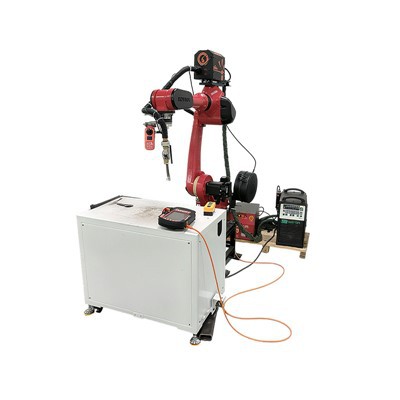
First off, let’s talk about speed. In the stamping world, time is money. A fast stamping robot can crank out more parts in less time, which means higher productivity and more profit for your business. When evaluating a stamping robot’s speed, you’ll want to look at its cycle time. This is the time it takes for the robot to complete one full stamping cycle, from the moment it picks up the raw material to the moment it drops off the finished part. A shorter cycle time means a faster robot.
But speed isn’t everything. Accuracy is also crucial. You want your stamping robot to place the raw material precisely in the right spot every single time. Even a tiny deviation can lead to defective parts, which can cost you a lot of money in the long run. To measure a robot’s accuracy, we look at its repeatability. This is how consistently the robot can perform the same task over and over again. A high repeatability rating means the robot is more likely to produce high – quality, consistent parts.
Load capacity is another important factor. Stamping robots need to be able to handle the weight of the raw materials and the stamping tools. If a robot is overloaded, it can break down, leading to costly downtime. You’ll need to know the maximum weight the robot can carry and make sure it matches your production requirements. This includes not only the weight of the parts but also any additional fixtures or tools that are used in the stamping process.
The reach of the robot is also significant. It needs to be able to access all the areas of the stamping press where it needs to operate. If the reach is too short, the robot won’t be able to pick up or place parts effectively, which can slow down the production process. When evaluating reach, consider the layout of your stamping press and the size of the parts you’ll be working with.
Flexibility is becoming more and more important in today’s manufacturing environment. You might need to switch between different stamping jobs or work with different types of materials. A flexible stamping robot can be easily reprogrammed to handle these changes. Look for a robot that has an intuitive programming interface and can adapt to new tasks quickly. This will save you a lot of time and effort when you need to change your production line.
Reliability is a no – brainer. You don’t want your stamping robot breaking down in the middle of a production run. A reliable robot means less downtime and more consistent production. To assess reliability, look at the robot’s mean time between failures (MTBF). This is the average amount of time the robot can operate without experiencing a breakdown. A higher MTBF means a more reliable robot.
Ease of maintenance is also something to consider. A stamping robot is a complex piece of machinery, and it will need regular maintenance to keep it running smoothly. A robot that is easy to maintain can save you a lot of money on maintenance costs and reduce the amount of time it spends out of commission. Look for a robot with easily accessible components and clear maintenance instructions.
Safety is always a top priority. Stamping robots work in a high – pressure environment, and there are potential hazards involved. A good stamping robot should have safety features such as emergency stop buttons, protective barriers, and sensors that can detect when a human is too close. These features not only protect your workers but also prevent damage to the robot and the stamping press.
Energy efficiency is becoming increasingly important as businesses look for ways to reduce their operating costs and their environmental impact. A more energy – efficient stamping robot will use less electricity, which can save you money on your energy bills. Look for robots that are designed with energy – saving features such as regenerative braking and efficient motors.
Now, let’s talk about how these performance indicators work together. For example, a fast robot might not be very accurate if it’s moving too quickly. You need to find a balance between speed and accuracy to get the best results. Similarly, a robot with a high load capacity might have a shorter reach or be less flexible. You need to consider all these factors and find the robot that best meets your specific production needs.
As a stamping robot supplier, I’ve seen firsthand how these performance indicators can make or break a production line. That’s why I’m always here to help my customers choose the right robot for their business. Whether you’re a small – scale manufacturer or a large – scale production facility, I can provide you with the information and support you need to make an informed decision.
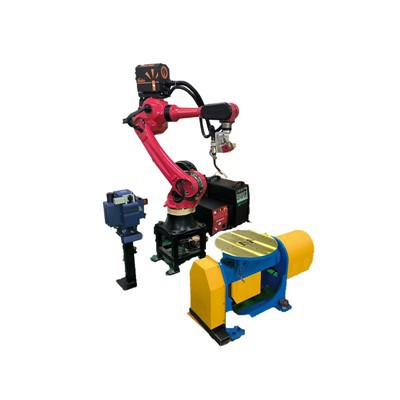
If you’re in the market for a stamping robot, I encourage you to reach out and have a chat with me. We can discuss your production requirements, go over the performance indicators that matter most to you, and find the perfect stamping robot for your business. I’m confident that I can help you find a robot that will improve your productivity, reduce your costs, and give you a competitive edge in the market.
Stamping Robot References:
- "Industrial Robotics: Technology, Programming, and Applications" by Peter Corke
- "Automation, Production Systems, and Computer – Integrated Manufacturing" by Mikell P. Groover
Dongguan Chuanglida Intelligent Equipments Co., Ltd.
As one of the most professional stamping robot manufacturers and suppliers in China, we also support customized service. Please feel free to buy discount stamping robot in stock here from our factory. For price consultation, contact us.
Address: Room 201, Building 2, No. 61, Shachang 1st Road, Dalang Town, Dongguan City, Guangdong Province
E-mail: haoguangli001@outlook.com
WebSite: https://www.boruntestech.com/
