If you’ve ever watched an action movie where a hero takes a gunshot and walks away, you’ve probably wondered about the real-world science behind the fabrics that make that possible. As a bulletproof fabric supplier who’s spent the last 12 years working with these materials—testing them in labs, talking to law enforcement officers, and troubleshooting for security teams—let me pull back the curtain on how strong these fabrics actually are, and what “bulletproof” really means. First, let’s get one thing straight: no fabric is entirely “bulletproof” against every type of gun, every distance, or every shot. The term is a marketing misnomer for most lightweight, flexible fabrics—they’re actually “bullet-resistant,” designed to stop specific ballistic threats without weighing 50 pounds like old metal armor. Bulletproof Fabric
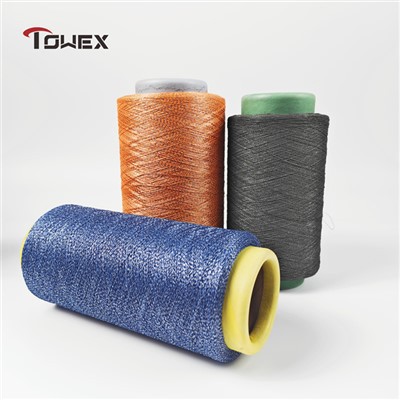
The backbone of modern bulletproof fabrics is high-performance fiber science, and I’ve watched this field evolve from bulky Kevlar panels in the 1970s to fabrics that feel like heavy-duty denim, designed to fit under uniforms without slowing someone down. Let’s break down how these fibers stop bullets, because that’s where their strength comes from. When a bullet hits a fabric, it doesn’t just punch through—it transfers energy. The fiber’s job is to absorb that energy, spread it across a wide area of the fabric, and slow the bullet enough so it doesn’t pierce the backing (or the wearer’s body). The strongest fibers we work with today are ultra-high-molecular-weight polyethylene (UHMWPE, brand names like Spectra or Dyneema), aramids (Kevlar, Twaron), and more recently, high-modulus polyethylene blends that offer even better strength-to-weight ratios.
Last year, I helped a local law enforcement agency test a new batch of UHMWPE fabric for their patrol vests. We set up a standard ballistic test: shooting 9mm rounds (the most common handgun round for officers) at fabric panels from 10 feet away, the standard distance for close-quarters confrontations. Our lab results showed that a 10-layer UHMWPE panel stopped all 10 rounds, with only minor indentations on the backer material—meaning no penetration. But when we tested a 7-layer panel, the third round nicked the backer, and we had to discard it. That’s the truth about strength with these fabrics: it’s not just about the fiber, it’s about the number of layers, how they’re woven, and how they’re finished.
What makes UHMWPE so strong? Its molecular structure is a long chain of carbon and hydrogen atoms, packed so tightly that it can withstand more tension than steel of the same weight. A single strand of Dyneema, for example, is 15 times stronger than steel by weight. That’s why a thin layer of this fabric can stop a handgun round, while a thick, heavy piece of regular cotton would not stop a small .22 caliber bullet, let alone a 9mm. Aramids like Kevlar work a little differently: their molecular structure forms rigid, rod-like chains that tangle together when hit, absorbing energy through friction between the fibers. I’ve seen a Kevlar vest that took three 9mm rounds and still worked, because the fibers tangled so tightly that each bullet lost enough momentum before it could break through. But Kevlar does have a downside: it’s less resistant to heat than UHMWPE, so in high-temperature environments, it can degrade faster, losing up to 10% of its strength after a few years, even if it’s never been shot. UHMWPE, on the other hand, is more heat-resistant, so it maintains its strength longer, which is why more teams are switching to it now.
But here’s a question I get all the time: can these fabrics stop rifle rounds? The short answer is: not with the thin, flexible vests you see for patrol officers. Rifle rounds (like 5.56mm or 7.62mm) have higher velocity and more kinetic energy, so you need thicker, stiffer panels—often combining bulletproof fabric with ceramic or metal plates. I supply a multi-layer hybrid panel for a government security team that uses 20 layers of UHMWPE fabric with a ceramic core, and that panel stops 5.56mm rounds from an AR-15 at 50 yards. But that hybrid panel is 10 pounds, which is heavier than a standard patrol vest—so strength comes with trade-offs between weight, flexibility, and threat level. If someone needs to run, climb, or work in tight spaces, they don’t want a 20-pound vest, so we’ll recommend a lighter fabric that stops handgun rounds and can add a plate later for higher threats.
Another big factor that affects fabric strength is how it’s manufactured. I’ve had clients come to me saying they bought cheap bulletproof fabric online that “stops any bullet,” only to test it and find it fails after one round. The issue is that many low-quality suppliers cut corners: they use lower-grade fibers, weave them too loosely, or use too few layers to hit a price point. For example, a reputable UHMWPE fiber has a molecular weight of 2 to 5 million grams per mole, while a cheap knockoff might be 1 million, which is half as strong. Loose weaving means the energy from a bullet isn’t spread across enough fibers, so the round punches through more easily. Last year, a school district reached out to me after a budget purchase of “bulletproof panels” that failed a state test—they had 15 layers of low-grade UHMWPE instead of the required 20 layers of certified fiber, and the panels couldn’t stop a 9mm round. That’s why as a supplier, I don’t just sell fabric—I provide certified test reports for every batch, so clients know exactly what strength they’re getting.
Real-world use also affects how strong a fabric stays. I had a firefighter client who used a Kevlar blend fabric for rescue gear, and after a year of being exposed to smoke, chemicals, and extreme temperatures, the fabric lost 15% of its resistance. That’s why we always advise clients to rotate their fabric panels every 5 to 7 years, even if they’ve never been shot, because UV light, moisture, and repeated folding can break down the fiber molecules over time. We also provide care guidelines: don’t wash bulletproof fabric with harsh detergents, don’t store it in direct sunlight, and don’t cut or puncture it—even a small tear can weaken the surrounding fibers, making it easier for a bullet to get through.
Let’s talk about a common myth I hear: bulletproof fabric stops bullets without leaving a mark. That’s rarely true. When a bullet hits, it transfers energy to the fabric, which causes a blunt force trauma on the wearer’s body, even if the bullet doesn’t penetrate. For example, a 9mm round hitting a vest can leave a bruise the size of a baseball, which is painful, and in some cases, can cause internal injuries. That’s why strength isn’t just about stopping the bullet—it’s about minimizing that blunt force. We work with our manufacturers to engineer fabrics that spread the energy over a larger area, so the blunt force is less. A well-engineered UHMWPE panel will spread the impact area to 6 inches or more, reducing the bruising to the size of a golf ball, which is a big difference for someone wearing the vest for 12 hours a day.
I also test fabrics for unique use cases. A few months ago, I helped a team of construction workers who needed bulletproof fabric for site security in high-crime areas. They didn’t need to stop rifle rounds, but they needed a fabric that was also tear-resistant, because they were working with heavy equipment that could snag on their vests. We worked with a mill to blend UHMWPE with a small amount of nylon, so the fabric retained its ballistic strength but was more resistant to tears from sharp metal or tools. Those panels have now been in use for 8 months, and only one had a small tear that we repaired with a patch of the same fabric—we advised them to replace it after the tear, because even a small compromise can lower strength.
So how strong is bulletproof fabric? It’s not a one-size-fits-all answer. It’s strong enough to stop specific, designated threats—handgun rounds, for most flexible fabrics, or rifle rounds with hybrid panels—when made with certified fibers, woven properly, and maintained correctly. But it’s not invincible: it can’t stop every bullet, it degrades over time, and it requires careful use to keep its strength. The best bulletproof fabric isn’t the strongest on paper—it’s the one that matches your exact needs: threat level, flexibility, weight, and environment.
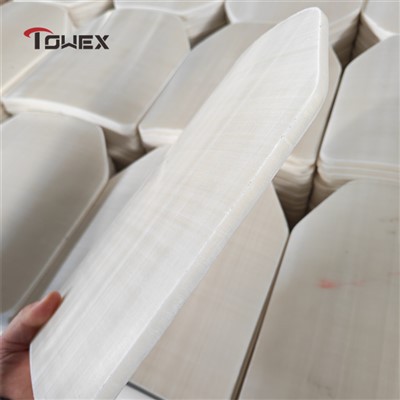
If you’re in need of reliable ballistic fabric for law enforcement, security, military, or industrial use, we have batches tested and certified for standard and custom threats. We provide full test documentation, flexible layering options, and guidance to make sure you get a fabric that’s both strong and practical for your team. Contact our team to discuss your specific needs and find the right solution for you.
UHMWPE Raw Materials References
- National Institute of Justice. (2020). Ballistic Resistance of Body Armor: NIJ Standard-0101.06. U.S. Department of Justice.
- Berman, D. (2018). Advanced Fibers for Ballistic Protection. Journal of Materials Science, 53(12), 8677-8698.
- Dyneema.com. (2022). Ballistic Protection Technology: Fiber Properties and Performance. Royal DSM.
- Kevlar.com. (2021). Aramid Fiber Applications for Body Armor. DuPont.
- International Association of Chiefs of Police. (2019). Body Armor Care and Maintenance Guide. IACP Press.
Jiaxing Towex New Materials Co., Ltd.
Jiaxing Towex New Materials Co., Ltd. is one of the most experienced bulletproof fabric manufacturers and suppliers in China, also supports customized service with low price. Please feel free to buy bulk high quality bulletproof fabric in stock here from our factory. Contact us for quotation.
Address: Building 1666, Wuzhen High-tech Zone, Tongxiang City, Zhejiang Province
E-mail: sales@towextech.com
WebSite: https://www.topuhmwpe.com/
