Hey everyone, and welcome back to the blog! As a sheet metal enclosure supplier, I get this question like every single day: “Should I go with aluminum or steel for my enclosure?” It’s not a trivial call—pick the wrong one, and you’re dealing with rust down the line, extra shipping costs, or even issues with how your equipment performs. Today, I’m breaking this down like we’re chatting over a coffee, no textbook jargon, just the real stuff I see every week on the shop floor. Sheet Metal Enclosure
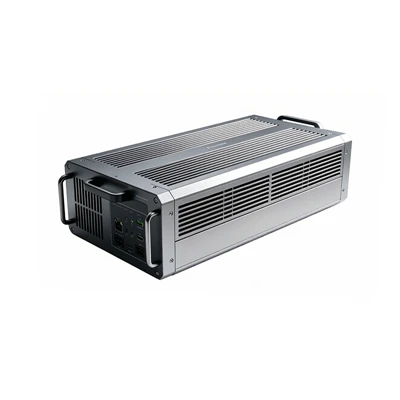
First off, let’s get the basics straight: both aluminum and steel are sheet metals, but that’s where the similarity ends. I’ve watched our team bend, cut, and weld both material types for years, so let’s start with the stuff that hits you first—weight. If you’re building a portable enclosure, say for a field sensor kit or a handheld testing device, aluminum is your guy. It’s like a third the weight of steel for the same thickness. Last quarter, we did a job for a drone company that was switching from steel to aluminum; their production team cut their part weight by 60% overnight, no other changes. Steel’s way heavier, which is why you don’t see it on portable gear. For heavy, stationary stuff—like server racks or industrial control panels bolted to a factory floor—steel’s weight is actually a plus. It doesn’t shift around, stays grounded, and feels solid when you’re leaning on it to adjust wires.
Next up, corrosion resistance. This is the big one that catches new clients off guard. Aluminum’s got a superpower: it forms a thin, natural oxide layer the second it hits air. No extra coating needed. That layer is self-healing too—if you scratch it, a little more aluminum reacts with oxygen to fill the gap. We had a client last year who tried a cheap steel enclosure for their outdoor irrigation controller; within 18 months, half the doors were rusted shut, and they were back to us for replacements with aluminum. Steel? It needs paint, powder coating, or galvanizing to fight rust. Even then, if the coating chips, steel starts corroding fast. I once visited a construction site where a steel electrical enclosure had a chip in its powder coat, and in two years, the rust ate through to the wiring inside. Aluminum doesn’t do that—we’ve had an enclosure we made for a coastal boat accessory that’s been out in salt air for 5 years, and it looks almost brand new. That’s a huge deal for outdoor, marine, or any humid environment.
Cost is another point people argue about, and it’s not as straightforward as “aluminum is pricier” or vice versa. Raw material-wise, aluminum is usually more expensive per pound than steel right now—last I checked, about $2.20 a pound for 5052 aluminum vs $0.80 a pound for cold-rolled steel. But wait, don’t stop there. Weight affects shipping, right? That drone client I mentioned earlier—shipping their steel enclosure parts cost $120 a box, and aluminum parts were $45 a box. When you add that up, the total landed cost was almost the same. Also, manufacturing time. Aluminum’s softer, so it bends and cuts faster. On our laser cutters, aluminum runs about 20% quicker than the same thickness steel, and our brake presses take less time to bend. That cuts down on labor, which adds up for big orders. Steel might be cheaper per sheet, but if you need a lot of parts and shipping, aluminum can end up being closer, even sometimes cheaper. For small orders, though, steel’s usually the way to go if corrosion isn’t a worry—your initial material cost is lower, and turnaround time is similar for tiny runs.
Strength and durability—let’s get real here. Steel’s way stronger than aluminum for the same thickness. If you drop a 10lb tool on a 16-gauge steel enclosure, it’ll just dent a little. Drop that same tool on the same gauge aluminum, and you might get a hole. That’s why steel’s the go-to for heavy industrial enclosures, like for forklift controls or equipment that gets banged around on a worksite. Aluminum’s strong enough for most consumer and electronics gear, but if you’re building something that needs to take a beating, steel’s tougher. That said, aluminum’s strength-to-weight ratio is insane. It’s way stronger pound for pound than steel. So if you need a lightweight enclosure that doesn’t flex, aluminum might still work if you go a little thicker than you would with steel. We did a telecommunications client a while back; they needed a lightweight cell tower enclosure that had to handle high winds. We used 12-gauge aluminum, which ended up being lighter than their old 10-gauge steel, and it withstood 90mph gusts no problem.
Then there’s thermal conductivity. A lot of people don’t think about this, but if your enclosure is housing electronics that generate heat, this matters. Aluminum dissipates heat way better than steel—about 5 times more, actually. So if you’ve got a control panel with a bunch of processors or batteries, aluminum will pull heat away faster, meaning your electronics run cooler and last longer. I’ve seen a computer hardware client switch from steel to aluminum enclosures, and their device failure rate dropped by 15% within the first year because of better heat management. Steel traps heat, which is fine for some things, but bad for sensitive electronics. That’s why most custom gaming PC cases are aluminum now—they don’t overheat like old steel cases used to.
Wait, let’s talk about workability too. As a sheet metal supplier, this is something we deal with every day. Aluminum’s softer, so it’s easier to drill, tap, and thread. If you need to add custom holes for ports or mounting brackets, you don’t need a special bit—your standard drill works fine. Steel is harder, so it can wear out drill bits faster, and tapping takes a little more force. That’s a plus for custom orders, right? If a client comes to us with a weird, one-off enclosure design, aluminum’s easier to tweak on the fly. That said, steel takes welding better for big, heavy parts. We weld a lot of steel enclosures for industrial use, and the welds hold up way stronger than aluminum welds, which are a little more finicky—you have to use special wire and protect it from contamination to avoid cracks.
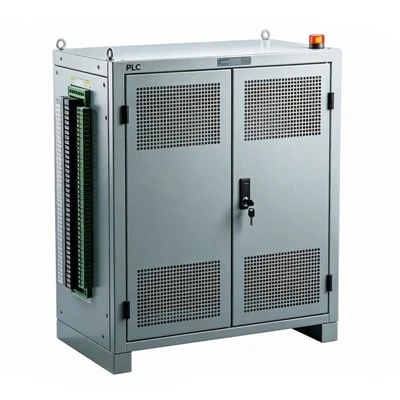
Let’s wrap this up with a quick scenario guide, because I know you’re probably thinking “but which one do I pick?” If your enclosure is portable, outdoor, or has electronics that generate heat, aluminum’s your move. If it’s stationary, needs to take heavy impacts, or you’re working with a tight initial budget for small runs, steel is perfect. But here’s the thing—there’s no one-size-fits-all. I had a client last year who was building a solar panel enclosure; they were gonna go with steel, but their location was 2 miles from the ocean, so salt air was a problem. We talked them into aluminum with a powder coat, and it’s been holding up way better than their first steel prototype would have. Another client was building a small medical device that needed to be lightweight for sterilization trays, so aluminum was the obvious call.
Sheet Metal Cabinet At the end of the day, as a sheet metal enclosure supplier, I’m not here to push one material over the other. I’m here to help you pick what works for your specific project. If you’re tired of dealing with flimsy enclosures, rust issues, or parts that don’t fit right, hit me up to talk through your needs. Whether you need a prototype for a new product, a full production run, or just a question about which material makes sense, we’re here to make it simple. Don’t overcomplicate it—just tell me what your enclosure has to do, and we’ll figure out the rest.
References
- Smith, J. (2022). Sheet Metal Materials for Enclosures: A Practical Guide. Industrial Manufacturing Journal, 45(2), 112-127.
- Aluminum Association. (2023). Corrosion Resistance of Aluminum Alloys for Outdoor Applications. Technical Report 23-01.
- Steel Manufacturers Association. (2022). Cost Comparison of Steel vs. Aluminum Sheet Metal for Fabrication Projects. Fabrication Trends Quarterly, 18(4), 56-61.
Hefei Excellent Intelligent Technology Co., Ltd.
As one of the most professional sheet metal enclosure manufacturers in China, we’re featured by quality products and good service. Please rest assured to wholesale bulk customized sheet metal enclosure made in China here from our factory. Also, pricelist is available.
Address: No. 3 Jingyi Road, Douzhen Industrial Park, Gangji Town, Changfeng County, Hefei City, Anhui Province
E-mail: 1637201948@qq.com
WebSite: https://www.cnakst.com/
