If you’ve ever researched ozone sterilization for use cases ranging from commercial kitchen equipment to veterinary clinics or even residential water systems, you’ve probably stumbled across a lot of conflicting information online. Some blogs will say ozone kills 99.9% of pathogens in 10 minutes, while others claim it takes an hour or more to do the same job. As an ozone sterilizer supplier with 8 years in the industry, I’ve fielded this exact question from café owners looking to sanitize food prep surfaces, hospital procurement teams vetting decontamination gear, and even homeowners trying to get rid of mold in their basement. The short answer is: it depends—but by breaking down the key variables, you’ll get a clear, science-backed picture of how long your specific ozone sterilizer needs to work. Ozone Sterilizer
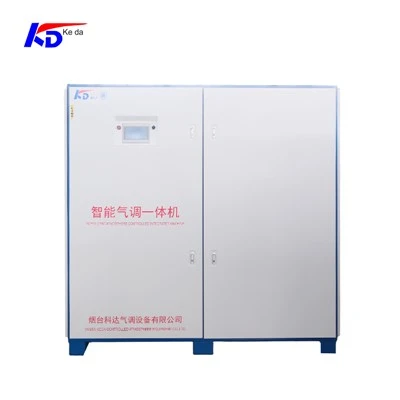
First, let’s cut through the marketing fluff and ground this in basic ozone chemistry. Ozone (O3) works as a sterilant because its three-oxygen molecule is unstable; when it comes into contact with pathogens like bacteria, viruses, fungi, or even biofilm, it breaks apart, reacting with and damaging their cell walls, proteins, and genetic material. Unlike chemical disinfectants that leave a residual, ozone naturally decomposes back into oxygen within minutes, which is a big reason it’s popular for spaces where harsh chemicals aren’t ideal. But that instability also means its effectiveness depends entirely on how much ozone is actually reaching the target, and for how long.
The single biggest factor in sterilization time is ozone concentration. That’s measured in parts per million (ppm), or for larger spaces like a warehouse, milligrams per cubic meter (mg/m³). Let’s use real industry data to make this concrete: the EPA and FDA both have standardized guidelines for ozone sterilization, and those guidelines tie concentration directly to contact time. For example, to kill common foodborne pathogens like E. coli or Salmonella on non-porous surfaces, you need a minimum of 0.5 ppm of ozone in the air or water, and a contact time of 10 to 15 minutes. But if your ozone generator is only producing 0.2 ppm (common with cheap, underpowered units sold online), that same E. coli culture could take 45 minutes or longer to eliminate—if it works at all. I see this all the time: small business owners buy discount ozone units that only output a fraction of the ozone needed to meet industry standards, then wonder why their “sanitized” surfaces still test positive for pathogens.
Next up: the type of pathogen you’re targeting. Not all microbes are equal, and their size, structure, and protective layers change how easily ozone can penetrate and destroy them. Let’s rank common pathogens by their resistance to ozone, from easiest to kill to hardest: common enveloped viruses (like influenza or COVID-19), non-enveloped viruses (norovirus, poliovirus), bacteria (E. coli, Salmonella, Listeria), fungi and mold spores, and finally, bacterial endospores. Endospores are the tough, dormant form of bacteria like anthrax or Clostridium difficile, and they’re the main exception to most standard ozone sterilization timelines. For enveloped viruses, 10 ppm for 1 minute is enough to get a 99.99% kill rate (what the industry calls a “log 4 reduction”). For norovirus, that jumps to 0.5 ppm for 10 minutes. For mold spores, you’ll need 1 ppm for 30 minutes. And for bacterial endospores? You’re looking at a minimum of 50 ppm and several hours of contact time, which is why ozone sterilizers for endospore decontamination are specialized medical-grade units, not the countertop models most people use.
Then there’s the medium you’re sterilizing in—air vs. water vs. a physical surface. This is a point most generic blogs miss, and it’s where I see a lot of customer confusion. If you’re using an ozone sterilizer to treat drinking water, the process is much faster because ozone molecules mix freely with water. For water sterilization, the CDC recommends a minimum residual ozone level of 0.4 ppm for a contact time of 4 minutes to achieve a 99.99% kill rate of waterborne pathogens like giardia and cryptosporidium. But if you’re using the same unit to sanitize empty warehouse air, ozone has to circulate evenly, seep into every corner, and reach surfaces—something that’s slower, especially if there are objects blocking airflow. A lot of space sterilization timelines you see online assume perfect mixing, which almost never happens in real-world use. If you have pallets of inventory, shelves, or even just furniture in the room, ozone will accumulate more in open spaces, so you’ll need longer contact time to make sure it reaches hidden surfaces. Temperature and humidity also play a role here: ozone works 20-30% better in warm, humid conditions than cold, dry ones. In a cold basement in winter, you might need to add 10-15 minutes to your sterilization cycle, while a kitchen at 70°F (21°C) with 50% humidity will perform closer to lab results.
Now, let’s talk about real-world use cases, because that’s what matters most to our customers. I’ll break down the timelines we recommend for common applications, based on our testing and compliance with industry standards:
- Residential countertop units for small areas (like a 10×10 foot kitchen counter, or a 5-gallon water jug): For non-porous surfaces, food prep tools, or drinking water, our standard cycle is 15 minutes at 0.6 ppm. That’s enough to kill E. coli, Salmonella, and common viruses. For mold removal in a small bathroom, we bump it to 30 minutes at 1 ppm.
- Commercial food service: Cafés, restaurants, and grocery stores need to sanitize food contact surfaces, walk-in coolers, and even produce. For walk-in coolers (100-200 cubic feet), we recommend a 45-minute cycle at 2 ppm. For produce decontamination in a dedicated ozone water system, it’s 5 minutes at 0.8 ppm, which meets FDA guidelines for produce sanitization without leaving chemical residues.
- Medical and veterinary use: For surface decontamination of exam rooms, dental tools, or animal housing, timelines vary. For non-critical surfaces (tables, floors), we recommend a 60-minute cycle at 3 ppm. For semi-critical items like reusable surgical tools that can’t be autoclaved, longer cycles (2-3 hours at 10 ppm) may be needed, and we always advise customers to test with biological indicators to confirm sterilization.
- Large industrial spaces: For warehouse disinfection, mold remediation in a 1,000 square foot space, or odor control from smoke or mildew, the cycle is 2-4 hours, depending on space size and ozone circulation. It’s important to note that during these cycles, no one should be in the space—ozone can irritate the respiratory system at high concentrations, so we always include safety controls like door locks and alarm systems in our industrial units.
A common question we get is: “Can I just run the unit longer to make up for low ozone concentration?” The short answer is no, and here’s why. Ozone is a reactive gas, and if concentrations are too low, it will react with other compounds in the space—like dust, food particles, or even the material of surfaces—before it can reach pathogens. That’s called ozone demand, and it’s why units that produce high ozone levels are often more efficient, because they can overcome that demand to reach the target pathogens. Running an underpowered unit for 2 hours might still result in only a 50% kill rate, because most of the ozone was used up reacting with the air instead of bacteria.
Another misconception is that ozone is a “set it and forget it” sterilant. Even the best units need proper maintenance to maintain consistent performance. Ozone generators produce ozone via a corona discharge or ultraviolet light; over time, the UV bulbs degrade, and the corona discharge plates can get dirty, which reduces ozone output by as much as 30% after a year of use. We always remind our customers to replace their ozone sources every 12 months, and to calibrate their units annually to confirm concentration levels match their settings. That’s not a marketing pitch—it’s science; a 2021 study in the Journal of Environmental Health found that 40% of used ozone sterilizers tested had ozone output levels 50% lower than their rated capacity, leading to inadequate sterilization.
So when should you trust a generic timeline online, and when should you adjust based on your specific setup? If you’re dealing with a small, contained, non-porous space, a 15-20 minute cycle at 0.5-1 ppm is a safe baseline. If you’re working with large spaces, porous surfaces, or hard-to-kill pathogens, you’ll need to research the specific kill rate for your target microbe, and invest in a unit with a proven concentration output (not just manufacturer claims). And if you’re using ozone for applications that require formal sterilization (like medical or food contact for high-risk groups), we always recommend third-party testing to confirm your cycle time is effective.
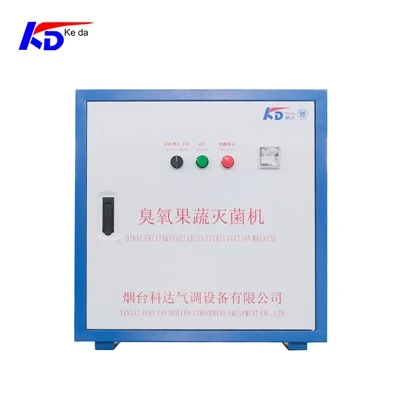
At the end of the day, there’s no one-size-fits-all answer to “how long does ozone sterilization take.” But by focusing on three key factors—ozone concentration, target pathogen, and the environment you’re working in—you can find the right timeline for your needs. If you’re in the market for an ozone sterilizer and want to go beyond generic timelines, or have questions about what cycle works best for your specific space, we’re here to help. Our team works with small businesses, healthcare facilities, and residential customers to match them with the right unit and sterilization cycle, tailored to their unique needs and compliance requirements. Whether you’re looking to sanitize kitchen surfaces, treat water, or remediate mold, we can help you navigate the variables to get safe, effective results.
Intelligent CA Integrated Machines References:
U.S. Environmental Protection Agency. Ozone Disinfection for Drinking Water Treatment.
U.S. Food and Drug Administration. Guidelines for the Use of Ozone in Food Processing.
Centers for Disease Control and Prevention. Guideline for Disinfection and Sterilization in Healthcare Facilities.
Journal of Environmental Health. Performance of Commercial Ozone Sterilizers in Real-World Use, 2021.
World Health Organization. Ozone as a Disinfectant for Environmental Surfaces.
Yantai Keda Zhixian International Trade Co., Ltd.
As one of the leading manufacturers and suppliers of ozone sterilizer in China, we have world-leading production equipment and strong manufacturing capabilities. Please feel free to buy high-grade ozone sterilizer for sale here from our factory.
Address: No.18-2, Wuhan St, Yantai ETDZ, Yantai, Shandong, China
E-mail: ytkeda2026@163.com
WebSite: https://www.kedacastorage.com/
