What is the acoustic performance of fabric wrapped acoustic panels?
In the industry of acoustic solutions, fabric wrapped acoustic panels have emerged as a versatile and effective product. As a supplier of these panels, I’ve witnessed firsthand the transformative impact they can have on various spaces. In this blog, I’ll delve into the acoustic performance of fabric wrapped acoustic panels, exploring their mechanisms, applications, and factors influencing their efficiency. Fabric Wrapped Acoustic Panels
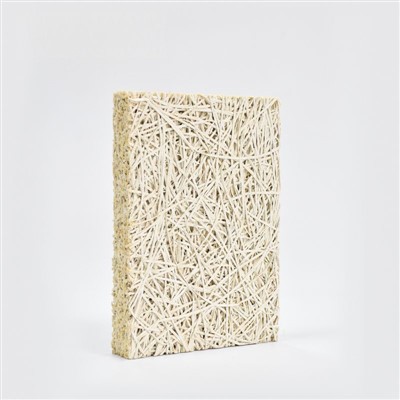
How Fabric Wrapped Acoustic Panels Work
At the core of understanding the acoustic performance of fabric wrapped acoustic panels is their ability to absorb sound. When sound waves hit a hard surface, they bounce back, causing echoes and reverberation. This can be a significant problem in spaces such as auditoriums, offices, and restaurants, where clear communication and a pleasant acoustic environment are essential.
Fabric wrapped acoustic panels work by converting the energy of sound waves into heat energy through friction. The fabric used on the surface of the panels is porous, allowing sound waves to penetrate into the panel. Inside the panel, there is an acoustic insulation material, often fiberglass or mineral wool. These materials have a complex network of fibers that create a maze for the sound waves. As the sound waves travel through these fibers, they are continuously deflected and absorbed, gradually losing their energy.
The effectiveness of this absorption process depends on several factors. One of the key factors is the thickness of the panel. Thicker panels generally have better absorption capabilities, especially for low-frequency sounds. For example, a 4 – inch thick fabric wrapped acoustic panel will absorb more low – frequency sound waves compared to a 2 – inch thick panel.
Another important factor is the density of the acoustic insulation material inside the panel. Higher density materials can absorb a wider range of frequencies. For acoustic applications where both high and low frequencies need to be controlled, panels with a denser internal insulation are preferred.
Measuring the Acoustic Performance of Fabric Wrapped Acoustic Panels
The acoustic performance of fabric wrapped acoustic panels is typically measured using two main metrics: the Noise Reduction Coefficient (NRC) and the Sound Absorption Coefficient (SAC).
The Noise Reduction Coefficient is a single – number rating that represents the average sound absorption of a material across a range of frequencies (usually 250, 500, 1000, and 2000 Hz). The NRC value ranges from 0 to 1. A material with an NRC of 0 reflects all the sound waves, while a material with an NRC of 1 absorbs all the sound waves. Good fabric wrapped acoustic panels usually have an NRC of 0.7 or higher, indicating that they can absorb a significant amount of sound.
The Sound Absorption Coefficient, on the other hand, provides a more detailed analysis of a material’s sound absorption at specific frequencies. This is useful in applications where certain frequencies need to be targeted. For example, in a recording studio, controlling the mid – frequencies is crucial for accurate sound reproduction. By examining the SAC of a fabric wrapped acoustic panel at different frequencies, acoustic engineers can select the most appropriate panels for the specific needs of the space.
Applications of Fabric Wrapped Acoustic Panels
Fabric wrapped acoustic panels have a wide range of applications due to their excellent acoustic performance and aesthetic appeal.
In commercial spaces such as offices, these panels can significantly reduce noise levels and improve speech intelligibility. Open – plan offices often suffer from high levels of background noise, which can be a distraction for employees. By installing fabric wrapped acoustic panels on the walls or ceilings, the reverberation time can be reduced, creating a more conducive working environment.
In educational institutions, such as classrooms and lecture halls, good acoustic performance is essential for effective teaching and learning. Fabric wrapped acoustic panels can help to minimize echoes and improve the clarity of the teacher’s voice, ensuring that students can hear and understand the lessons better.
In the entertainment industry, fabric wrapped acoustic panels are widely used in theaters, concert halls, and recording studios. In theaters and concert halls, they help to shape the acoustics of the space, enhancing the quality of the sound for the audience. In recording studios, these panels are used to create a controlled acoustic environment, allowing for accurate sound recording and mixing.
Factors Influencing the Acoustic Performance of Fabric Wrapped Acoustic Panels
Apart from the thickness and density of the panel, there are other factors that can influence the acoustic performance of fabric wrapped acoustic panels.
The type of fabric used on the surface of the panel can affect its sound absorption capabilities. Some fabrics are more porous than others, allowing for better sound penetration. Natural fabrics such as cotton and wool are often preferred for their acoustic properties, as they have a more open structure compared to synthetic fabrics.
The installation method also plays a role in the acoustic performance of the panels. If the panels are not installed properly, there may be gaps between the panels, which can reduce their overall absorption efficiency. It is important to ensure that the panels are tightly fitted and that any joints are sealed to prevent sound leakage.
The location of the panels in the space is another important factor. In general, panels should be placed on the surfaces where sound reflections are most likely to occur, such as the walls and ceilings. Placing the panels strategically can maximize their acoustic performance and improve the overall sound quality of the space.
Aesthetic and Acoustic Balance
One of the advantages of fabric wrapped acoustic panels is their ability to combine aesthetic appeal with excellent acoustic performance. Unlike some traditional acoustic materials that may look unappealing, fabric wrapped acoustic panels come in a wide variety of colors, patterns, and textures, allowing them to blend seamlessly with the interior design of any space.
This makes them a popular choice for architects and designers who want to create a space that not only sounds good but also looks good. For example, in a modern restaurant, fabric wrapped acoustic panels can be used to manage noise levels while also adding a touch of elegance to the decor.
Conclusion
Fabric wrapped acoustic panels offer a comprehensive solution for acoustic problems in various spaces. Their ability to absorb sound effectively, combined with their aesthetic versatility, makes them a preferred choice for many applications. From commercial offices to educational institutions and entertainment venues, these panels can significantly improve the acoustic environment.
If you’re in need of high – quality fabric wrapped acoustic panels for your project, I invite you to reach out and start a conversation about your specific requirements. We can discuss the best panel specifications, the most suitable installation methods, and how our products can meet your acoustic and aesthetic needs. Let’s work together to create a space with outstanding acoustic performance.
Sound Insulation Materials References
- Beranek, Leo L. "Acoustics." American Scientist, vol. 52, no. 2, 1964, pp. 134 – 174.
- Kuttruff, Heinrich. "Room Acoustics." Fourth Edition, Taylor & Francis, 2009.
- Mehta, Tara H. "Sound Absorption of Fabric Materials." Journal of the Textile Institute, vol. 98, no. 3, 2007, pp. 253 – 260.
Guangzhou MQ Acoustic Materials Co., Ltd.
Guangzhou MQ Acoustic Materials Co., Ltd. is one of the most professional fabric wrapped acoustic panels manufacturers and suppliers in China, featured by quality products and low price. Welcome to buy CE approved fabric wrapped acoustic panels in stock here and get quotation from our factory. We also accept customized orders.
Address: Room D403, KeZhu Business Building, ZhuJi Road, TianHe District, GuangZhou, China
E-mail: Lizzy@mq-acoustics.com
WebSite: https://www.acoustic-projects.com/
