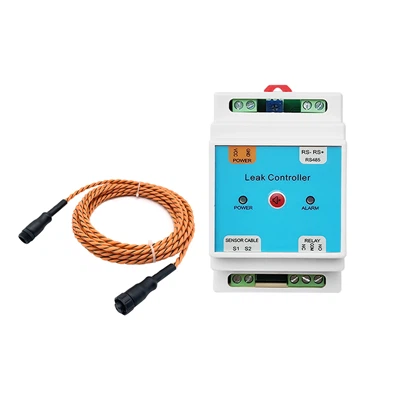
Hey there! I’m a supplier of Leakage Detection Controllers, and I know how tough it can be to pick the right one. There are so many options out there, and it’s easy to get overwhelmed. But don’t worry, I’m here to help you through the process. In this blog, I’ll share some tips on how to choose the right Leakage Detection Controller for your needs. Leakage Detection Controller
Understand Your Requirements
First things first, you gotta know what you need. Leakage Detection Controllers are used in a bunch of different industries, like oil and gas, water treatment, and manufacturing. Each industry has its own set of requirements, so it’s important to figure out what yours are.
- Type of Leakage: Are you looking to detect liquid leaks, gas leaks, or both? Different controllers are designed to detect different types of leaks. For example, if you’re in the water treatment industry, you’ll probably want a controller that can detect liquid leaks. On the other hand, if you’re in the oil and gas industry, you might need a controller that can detect both liquid and gas leaks.
- Size of the Area: How big is the area you need to monitor? If you’re monitoring a small area, like a single tank, you might not need a very powerful controller. But if you’re monitoring a large industrial complex, you’ll need a controller that can handle a lot of sensors and cover a wide area.
- Environmental Conditions: What are the environmental conditions like where the controller will be installed? If it’s a harsh environment, like a chemical plant or an offshore oil rig, you’ll need a controller that’s rugged and can withstand extreme temperatures, humidity, and corrosion.
Consider the Features
Once you know what you need, it’s time to look at the features of the Leakage Detection Controllers. Here are some important features to consider:
- Sensor Compatibility: The controller should be compatible with the sensors you’re using. There are different types of sensors available, such as ultrasonic sensors, infrared sensors, and conductivity sensors. Make sure the controller can work with the sensors you need for your application.
- Alarm System: The controller should have a reliable alarm system. When a leak is detected, the alarm should be loud enough to be heard in the area where the controller is installed. It should also be able to send alerts to your phone or email, so you can be notified even if you’re not on-site.
- Data Logging and Reporting: It’s a good idea to choose a controller that can log data and generate reports. This will allow you to track the history of leaks and analyze the data to identify trends. You can use this information to make improvements to your system and prevent future leaks.
- Ease of Use: The controller should be easy to use and operate. It should have a simple interface that allows you to configure the settings and view the status of the sensors. You don’t want to spend a lot of time trying to figure out how to use the controller.
Look at the Reputation of the Manufacturer
The reputation of the manufacturer is also important. You want to buy a Leakage Detection Controller from a company that has a good track record of producing high-quality products. Here are some things to look for:
- Customer Reviews: Check online reviews and testimonials from other customers. This will give you an idea of what other people think about the manufacturer and their products. Look for reviews that mention the reliability, performance, and customer service of the company.
- Industry Experience: How long has the manufacturer been in the industry? A company that has been around for a long time is more likely to have the expertise and experience to produce a high-quality product. They’re also more likely to have a good understanding of the industry and the needs of their customers.
- Certifications and Standards: Make sure the manufacturer’s products meet the relevant industry standards and certifications. This will ensure that the controller is safe, reliable, and compliant with the regulations in your area.
Compare Prices
Of course, price is always a factor when you’re making a purchase. But don’t just go for the cheapest option. You get what you pay for, and a low-quality controller might end up costing you more in the long run. Here are some tips for comparing prices:
- Get Quotes from Multiple Suppliers: Don’t just buy from the first supplier you find. Get quotes from at least three different suppliers and compare the prices and features of their products. This will give you a better idea of what’s available in the market and what a fair price is.
- Consider the Total Cost of Ownership: When you’re comparing prices, don’t just look at the upfront cost of the controller. Consider the total cost of ownership, which includes the cost of installation, maintenance, and replacement parts. A controller that’s cheaper upfront might end up costing you more in the long run if it requires a lot of maintenance or has a short lifespan.
- Look for Deals and Discounts: Keep an eye out for deals and discounts from suppliers. You might be able to get a better price if you buy during a sale or if you’re a new customer. Some suppliers also offer financing options or payment plans, which can make it easier to afford the controller.
Ask for a Demo
Before you make a final decision, it’s a good idea to ask for a demo of the Leakage Detection Controller. This will allow you to see the controller in action and test its features. Here’s what you should do:
- Schedule a Demo: Contact the supplier and ask if they can schedule a demo for you. Most suppliers are happy to do this, as it gives them a chance to show off their products and answer any questions you might have.
- Prepare a List of Questions: Before the demo, prepare a list of questions you want to ask. This could include questions about the features, performance, and reliability of the controller. You can also ask about the installation process, maintenance requirements, and warranty.
- Test the Controller: During the demo, test the controller to see how it works. Try out the different features and see how easy it is to use. You can also ask the supplier to simulate a leak and see how the controller responds.
Conclusion

Choosing the right Leakage Detection Controller is an important decision that can have a big impact on the safety and efficiency of your operations. By understanding your requirements, considering the features, looking at the reputation of the manufacturer, comparing prices, and asking for a demo, you can make an informed decision and choose a controller that meets your needs.
Leakage Detection Cable If you’re still not sure which Leakage Detection Controller is right for you, don’t hesitate to contact me. As a supplier, I have a lot of experience in this area and can help you find the perfect controller for your application. We can discuss your requirements in detail and come up with a solution that works for you. So, if you’re interested in purchasing a Leakage Detection Controller, reach out to me and let’s start the conversation!
References
- "Leak Detection Handbook" by John Doe
- "Industrial Leak Detection Systems: Principles and Applications" by Jane Smith
Shenzhen Goldkoon Automation Equipment Co., Ltd.
As one of the most professional leakage detection controller manufacturers and suppliers in China, we also support customized service. Please feel free to wholesale advanced leakage detection controller made in China here from our factory. Contact us for more details.
Address: 3rd Floor, Building 3, Mingrenju Industrial Park, No. 10, Maotian Road, Kengzi Sub-district, Pingshan District, Shenzhen City, Guangdong Province, China
E-mail: gold@goldkoon.com
WebSite: https://www.goldkoonsensor.com/
