Hey there! I’m a flange supplier, and I often get asked about the pressure rating of a flange. It’s a crucial topic in the industry, so I thought I’d share some insights with you all. Flange
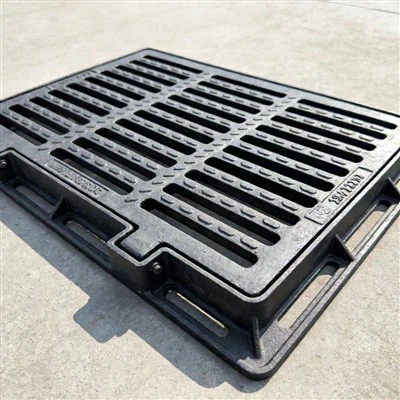
First off, let’s talk about what a flange is. In simple terms, a flange is a flat, circular disk with holes around its edge. It’s used to connect pipes, valves, pumps, and other equipment in a piping system. Flanges provide a way to make a leak – tight connection and allow for easy disassembly and assembly when needed.
Now, the pressure rating of a flange is all about how much pressure the flange can handle without failing. It’s like knowing how much weight a bridge can support before it collapses. The pressure rating is determined by several factors, and understanding these factors is key to choosing the right flange for your application.
One of the main factors that affect the pressure rating is the material of the flange. Different materials have different strength properties. For example, steel flanges are known for their high strength and durability. Carbon steel flanges are commonly used in many industrial applications because they can withstand relatively high pressures. Stainless steel flanges, on the other hand, are more corrosion – resistant, which is important in environments where the pipes are exposed to corrosive substances. But stainless steel might have a different pressure – handling capacity compared to carbon steel, depending on its grade.
The design of the flange also plays a big role. There are different types of flange designs, such as weld – neck flanges, slip – on flanges, and blind flanges. Weld – neck flanges are considered to be the strongest type. They have a long tapered hub that is welded to the pipe, which provides a smooth transition of stress from the pipe to the flange. This design allows weld – neck flanges to handle higher pressures compared to slip – on flanges. Slip – on flanges are easier to install but are generally not as strong as weld – neck flanges. Blind flanges are used to close the end of a pipe, and their pressure rating is also influenced by their design and the thickness of the flange plate.
The size of the flange is another important factor. Larger flanges generally have a lower pressure rating compared to smaller flanges of the same material and design. This is because as the flange gets larger, the stress distribution across the flange becomes more complex, and there is a greater chance of stress concentration at certain points. So, if you need a flange to handle high pressure, you might want to consider a smaller size if possible.
Industry standards also define the pressure ratings of flanges. In the United States, the American National Standards Institute (ANSI) has developed standards for flanges. These standards specify the pressure – temperature ratings for different types and sizes of flanges. For example, an ANSI Class 150 flange has a lower pressure rating compared to an ANSI Class 300 flange. The class number indicates the maximum pressure that the flange can handle at a given temperature.
It’s important to note that the pressure rating of a flange is not a fixed value. It can change depending on the temperature of the fluid flowing through the piping system. As the temperature increases, the strength of the flange material decreases, and so does its pressure – handling capacity. That’s why when selecting a flange, you need to consider both the operating pressure and the operating temperature of your system.
Let me give you an example to illustrate how important it is to get the pressure rating right. Suppose you’re working on a project where the pipes will be carrying a high – pressure steam. If you choose a flange with a pressure rating that is too low, there is a risk of the flange failing under the pressure. This could lead to leaks, which can be dangerous and costly. On the other hand, if you choose a flange with a much higher pressure rating than necessary, you might end up spending more money than you need to.
As a flange supplier, I’ve seen many customers make mistakes when it comes to choosing the right pressure rating. Some customers focus only on the price and choose the cheapest flange without considering its pressure – handling capacity. Others might not fully understand the requirements of their system and end up with a flange that doesn’t work well. That’s where I come in. I can help you analyze your system’s needs, taking into account factors like the type of fluid, the operating pressure, and the temperature.
I’ve got a wide range of flanges in my inventory, with different materials, designs, and pressure ratings. Whether you need a small – sized flange for a low – pressure application or a large – sized, high – pressure flange for an industrial project, I can provide you with the right product. I also offer technical support to make sure you’re making the best choice for your specific situation.
If you’re in the market for flanges and want to make sure you’re getting the right pressure rating, don’t hesitate to reach out. I’m here to answer all your questions and help you find the perfect flange for your project. Whether it’s a simple plumbing job or a complex industrial installation, I’ve got the expertise and the products to meet your needs.
So, if you’re looking for a reliable flange supplier who can help you navigate the world of pressure ratings and make the right choice, just drop me a line. Let’s have a chat about your project, and I’m sure we can work together to find the ideal solution.
Bolts References:
- American National Standards Institute (ANSI) flange standards
- Industry manuals on piping systems and flange design
Shanxi Yuanhang Machinery Construction Industry and Trade Co., Ltd.
We’re well-known as one of the most experienced flange manufacturers in China. With a professional production team, we are able to meet the needs of the majority of our customers. Welcome to buy discount flange in stock here from our factory. Contact us for pricelist and free sample.
Address: Taiyuan City, Shanxi Province
E-mail: anzhiyuan@yhmadeinprc.com.cn
WebSite: https://www.yhmadeinprc.com/
